
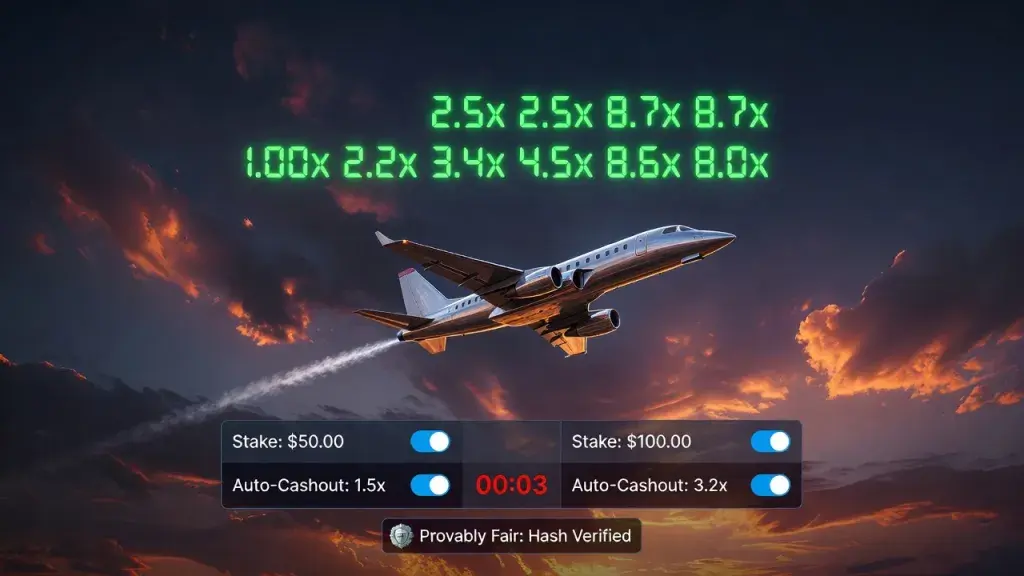
A plane takes off, a multiplier climbs from 1.00x, and somewhere between two seconds and two minutes, it crashes. That is the entire premise of Aviator, and yet millions of players return to this single mechanic night after night. The simplicity is deceptive. Behind that rising number sits a probability engine, a cash-out decision that separates winners from losers in a fraction of a second, and a psychological trap that has emptied more wallets than almost any other online casino format.
What makes Aviator different from slots or table games is the absence of cards, reels, or symbols. There is only timing. Players place a bet before the round starts, watch the multiplier increase, and must cash out before the plane flies away. Wait too long, and the bet is gone. Cash out too early, and the potential profit is minimal. This tension is precisely why aviator game strategy discussions dominate gambling forums, and why new players often lose money in their first sessions simply because they misunderstand the mechanics. For a full walkthrough of how the round-based system works, this guide on how to play aviator game step by step breaks down the interface and betting flow in detail. The rest of this article covers the rules, the payout structure, and the strategic thinking that separates disciplined players from impulsive ones.
Understanding the Core Aviator Game Rules
Aviator belongs to a category known as crash games, and its rules are built around a single ascending curve rather than traditional paylines or combinations. Before diving into tactics, a player needs to understand exactly how a round begins, progresses, and ends, because misreading any of these stages leads directly to lost bets.
How a Round Works From Start to Finish
Each round opens with a short betting window, typically a few seconds, during which players place one or two simultaneous wagers. Once betting closes, an animated plane begins its ascent, and a multiplier displayed on screen climbs from 1.00x upward. The multiplier can theoretically reach very high values, though most rounds end long before that. At an unpredictable moment, determined by a random number generator, the plane "flies away," the round ends instantly, and any bet not cashed out before that moment is lost in full.
Betting Options and Table Limits
Most platforms allow two bets per round, letting a player hedge by cashing out one early and letting the second ride for a higher multiplier. Minimum and maximum bet sizes vary by operator, and table limits often scale with the currency used. Understanding these boundaries matters because aviator game rules differ slightly from one platform to another, particularly regarding auto-cashout features and maximum multiplier caps.
The Role of Provably Fair Technology
Reputable Aviator implementations use a provably fair algorithm, meaning the crash point for each round is generated before the round starts and can be independently verified afterward using a cryptographic hash. This does not make the game beatable through pattern recognition, but it does confirm that outcomes are not manipulated in real time based on player behavior.
- Each round has a fixed, randomly generated crash point decided before the plane takes off.
- Players can place up to two bets simultaneously in most versions.
- Cashing out early locks in a guaranteed multiplier; waiting risks losing everything.
- Provably fair systems allow post-round verification of the crash point's fairness.
How to Start Aviator Game: A Practical Walkthrough
Getting into Aviator requires more than clicking "play." A structured setup process reduces early mistakes and helps new players understand the interface before real money is at stake.
Choosing a Licensed Platform
The first step in how to start aviator game correctly is selecting a licensed casino operator that offers the official Aviator title rather than an imitation. Licensing information is usually displayed in the site footer, and it indicates regulatory oversight, which matters for payout reliability and dispute resolution.
Setting Up an Account and Verifying Identity
Registration typically requires an email address, a password, and identity verification documents before withdrawals are permitted. Completing this verification early, rather than after a big win, prevents delays when it is time to cash out actual profits.
Practicing With Demo Mode
Nearly every Aviator provider offers a free demo version using virtual credits. This mode replicates the exact multiplier behavior of the real-money game and is the single best way to internalize timing and reaction speed without financial risk.
Placing the First Real Bet
Once comfortable with the interface, a player deposits funds, sets a small initial stake, and observes several rounds before committing larger amounts. Starting small is not caution for its own sake; it is a deliberate way to calibrate reaction time against the specific speed of that platform's multiplier curve.
Step-by-Step Guide to Aviator Game: From Bet to Cash-Out
This section functions as a direct, sequential walkthrough for anyone playing a round for the first time or refining their routine.
Step One: Place Your Stake Before the Timer Ends
The betting window closes automatically, so stakes must be confirmed before the countdown reaches zero. Missing this window means sitting out the round entirely.
Step Two: Watch the Multiplier Without Fixating on the Plane Graphic
The visual animation is secondary; the number matters. Many experienced players mute the plane's dramatic movement mentally and focus purely on the multiplier value climbing in real time.
Step Three: Decide on a Cash-Out Threshold in Advance
Deciding a target multiplier before the round starts, rather than during the emotional climb, removes hesitation. Some platforms allow auto-cashout settings that execute this decision automatically at a preset value.
Step Four: Confirm the Cash-Out and Review the Outcome
Once cashed out, the profit is credited instantly, and the round continues for other players until the plane eventually crashes. Reviewing the final crash multiplier after each round, even ones not played, builds a sense of the game's volatility over time.
Aviator Game Strategy: Approaches That Actually Hold Up
No strategy guarantees profit in a game governed by random number generation, but certain approaches manage risk more intelligently than others.
The Conservative Low-Multiplier Approach
This method involves cashing out consistently at low multipliers, such as 1.3x to 1.6x, aiming for frequent small wins rather than occasional large ones. It suits players prioritizing steady bankroll movement over dramatic payouts.
The Dual-Bet Hedging Method
Using both available bet slots, a player might cash out the first bet early at a safe multiplier while letting the second ride toward a higher target. This balances guaranteed return against upside potential within a single round.
Bankroll Management as the Real Strategy
Arguably more important than any multiplier target is strict bankroll discipline: setting a session loss limit, sizing bets as a small percentage of total funds, and stopping once that limit is reached regardless of recent outcomes. Most aviator game strategy failures stem not from bad cash-out timing but from chasing losses with escalating bets.
Avoiding the Martingale Trap
Doubling bets after each loss, a classic martingale approach, feels logical on paper but collapses quickly against table limits and finite bankrolls. A single long losing streak, which is statistically inevitable given enough rounds, can wipe out an account that relies on this method.
The Aviator Game Payout System Explained
Payouts in Aviator are determined entirely by the multiplier value at the moment of cash-out, multiplied by the original stake. Understanding the underlying return-to-player mechanics clarifies why the house maintains a long-term edge despite the appearance of pure chance.
Return to Player and House Edge
Like other casino games, Aviator operates on a fixed return-to-player percentage built into the random number generation, typically disclosed by the operator. This means that across thousands of rounds, the aggregate payout to players falls slightly below 100%, ensuring the platform's margin regardless of individual round outcomes.
Instant Settlement and Withdrawal Timing
Winnings from a successful cash-out are credited to the player's balance immediately, without waiting for the round to fully conclude. However, moving those funds out of the platform depends on the operator's withdrawal processing times and any pending verification requirements.
Why High Multipliers Are Rare by Design
The probability distribution behind Aviator's payout system favors frequent low multipliers and increasingly rare high ones, similar to other crash-style games. A multiplier of 2x might occur often within a session, while a multiplier of 50x or higher happens infrequently enough that chasing it consistently drains a bankroll faster than smaller, repeated wins replenish it.
Common Mistakes Beginners Make
Recognizing frequent errors early prevents the kind of losses that push new players away from the game entirely.
Chasing the Previous Round's High Multiplier
Believing that a big multiplier is "due" after a string of low ones is a misunderstanding of independent probability; each round is unrelated to the last.
Ignoring the Auto Cash-Out Feature
Manual cash-outs depend on reaction speed and can fail during connection lag or momentary distraction, whereas auto cash-out removes human error from the equation entirely.
Betting Without a Predefined Session Limit
Playing without a stop-loss or profit target turns a manageable session into an open-ended one, which is precisely how disciplined bankroll plans unravel.
Frequently Asked Questions
Is Aviator based on skill or pure luck?
The crash point is generated randomly for every round, so no amount of skill changes the outcome. Skill only enters through timing decisions, bankroll management, and cash-out discipline, not through predicting the multiplier itself.
Can I use a betting pattern to beat the crash point?
No pattern-based system, including martingale-style bet doubling, overcomes the underlying random number generation. These systems can extend short winning streaks but fail against inevitable long losing runs.
What is a reasonable multiplier target for beginners?
Many newer players find that targeting 1.5x to 2x cash-outs builds confidence and steady returns before experimenting with higher-risk, higher-reward targets.
Does the plane crashing early mean the game is rigged?
Low multipliers occurring frequently is expected behavior in a properly functioning crash game, not evidence of manipulation. Provably fair verification tools let players confirm this independently after each round.
How much money should I start with?
A starting bankroll should be an amount the player is fully prepared to lose, divided into small stakes across many rounds rather than a few large bets. This approach extends playtime and reduces the impact of any single crash.
Is there a difference between demo mode and real-money rounds?
The underlying multiplier mechanics are identical, but demo mode uses virtual credits with no financial risk or withdrawal capability. It remains the most reliable way to practice timing before wagering real funds.