A slot machine with a 96% return-to-player rate still loses money to the house on every single spin, mathematically speaking, yet millions of people play it daily and some walk away richer than when they started. That contradiction - a game engineered to favor the operator, played by people chasing genuine wins - sits at the center of everything worth understanding about online casino games. The industry has grown far beyond flashing fruit machines and green felt tables into a sprawling ecosystem of software providers, game mechanics, and betting formats that reward players who actually understand what they're doing.
Most newcomers approach online casinos the way they'd approach a slot machine at an airport: pick something colorful, press a button, hope for the best. That's a costly habit. Before risking a single dollar, it helps to know what are the best online casino games for your specific goals - whether that's stretching a small bankroll, chasing a jackpot, or simply enjoying an evening of low-stakes entertainment. The answer changes depending on what you value: speed, skill, social interaction, or raw odds.
This piece breaks down the three pillars of the modern online casino - slots, table games, and live dealer studios - and explains where free-to-play real-money options fit into a smart strategy. No fluff, no false promises. Just a clear map of a genuinely complex landscape.
Understanding the Online Casino Games Landscape
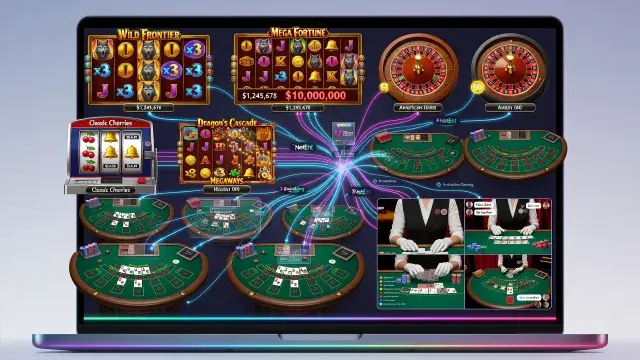
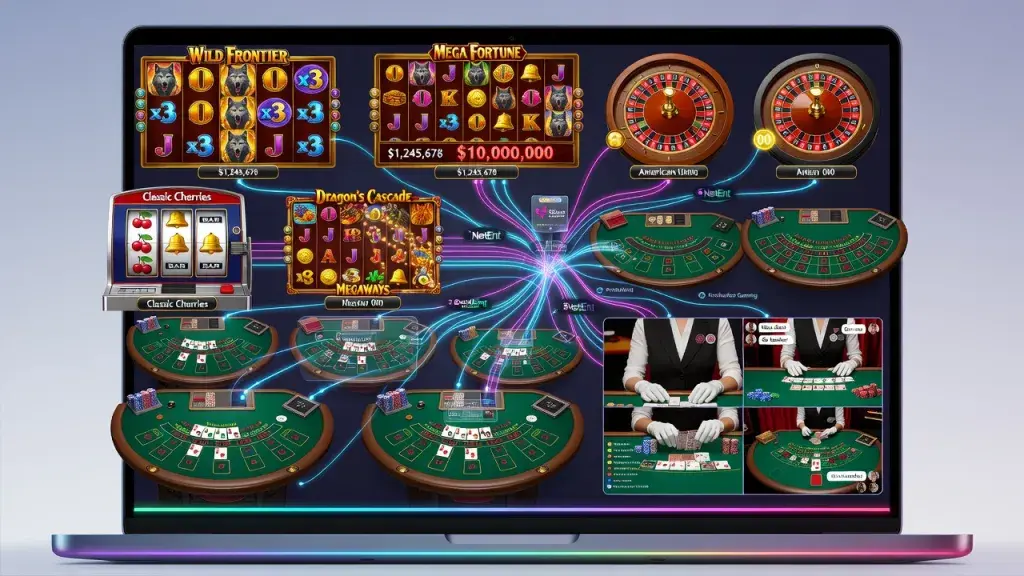
Before comparing specific titles, it helps to understand how the modern online casino is actually organized. Unlike a physical casino floor, where space is finite and games are chosen by a floor manager, an online casino library is built from software supplied by dozens of independent developers. That structure shapes everything about the player experience - from game variety to fairness verification.
How Game Categories Are Structured
Online casino games generally fall into three functional categories: slots (fully automated, no skill required), table games (rules-based, some skill or strategy involved), and live dealer games (real-time, human-hosted versions of table games streamed via video). Each category serves a different psychological need - slots offer variety and instant gratification, table games offer control and strategic depth, live dealer games offer authenticity and social presence.
Licensing and Fair Play Basics
Every legitimate online casino operates under a gambling license issued by a recognized regulatory body. Licensed platforms use certified random number generators for slots and table games, and independent auditors periodically test payout percentages to confirm they match advertised figures. Players should treat licensing information as a non-negotiable filter - an unlicensed platform, however polished its interface, carries no enforceable guarantee of fairness.
Real Money vs. Free Play Modes
Nearly every reputable operator offers a demo or "free play" version of its games alongside the real-money mode. This isn't a gimmick - it's a genuine tool for learning game mechanics, testing volatility, and building confidence before wagering actual funds. The distinction matters enormously when evaluating free online casino games for real money, since some platforms blur the line between "free to try" and "free to win," and understanding that difference protects your bankroll from the start.
Best Online Casino Slots to Know
Slots remain the most-played category in any online casino, largely because they require zero prior knowledge and deliver fast, visually engaging rounds. But "best" isn't a fixed label - it depends on what a player is optimizing for.
Classic Three-Reel Slots
These stripped-down games mimic the mechanical slot machines of the twentieth century: three reels, simple symbols, straightforward paylines. They appeal to players who want low volatility and short, predictable sessions rather than complex bonus features.
Video Slots With Bonus Features
Modern video slots dominate the best online casino slots conversation because they layer in free spin rounds, multipliers, wild symbols, and cascading reels. Titles built around expanding wilds or "megaways" mechanics (where the number of symbols per reel changes each spin) tend to attract players seeking higher variance and bigger potential payouts.
Progressive Jackpot Slots
A percentage of every wager on a progressive slot feeds a shared jackpot pool that grows until someone hits the winning combination. These games carry higher volatility and lower average hit frequency, but the appeal is obvious: a modest bet carries the theoretical possibility of a life-changing payout.
How to Judge Slot Quality
Return-to-player percentage, volatility rating, and maximum win multiplier are the three metrics that actually matter. A slot advertising a 97% RTP with low volatility will behave very differently from one at 94% RTP with high volatility, even if both look similar on the surface.
- RTP above 96% is generally considered player-favorable
- Low volatility suits smaller bankrolls and longer sessions
- High volatility suits players chasing larger, less frequent wins
- Maximum win multiplier indicates the realistic ceiling of a single spin
Top Online Casino Table Games Explained
Table games occupy a different niche entirely. They demand attention to rules, and in several cases, active strategic decisions that directly affect the house edge.
Blackjack Variants
Blackjack consistently ranks among the top online casino table games because correct strategic play can push the house edge below 1%. Variants like Spanish 21 or multi-hand blackjack change specific rules - deck composition, doubling options, surrender availability - enough to shift optimal strategy and payout structure.
Roulette: European vs. American
The single structural difference between these two versions - one zero pocket versus two - nearly doubles the house edge in the American variant. Anyone serious about roulette should default to European or French wheels whenever available.
Baccarat and Its Betting Options
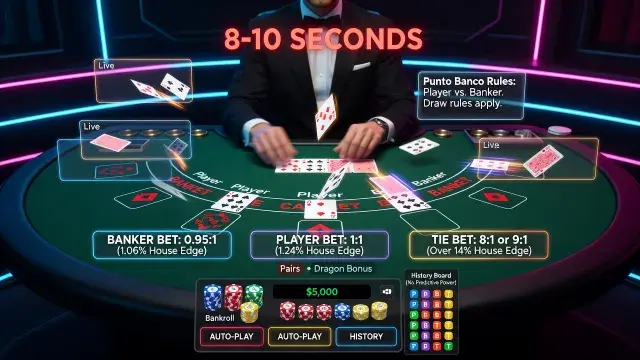
Baccarat's appeal lies in its simplicity: three possible bets (player, banker, tie), no decisions after the wager is placed. The banker bet carries a lower house edge than the tie bet by a wide margin, making bet selection the only meaningful strategic choice in the game.
Poker-Style Casino Games
Casino poker variants - Caribbean Stud, Three Card Poker, Ultimate Texas Hold'em - differ from traditional poker in that players compete against the house rather than other players. Each has its own optimal strategy chart, and ignoring it can inflate the house edge considerably.
Live Dealer Casino Games: Bridging Digital and Real
Live dealer casino games exist to solve a specific problem: the sense of detachment that comes from watching a random number generator simulate a shuffle or a spin. By streaming an actual human dealer operating physical equipment, these games restore a layer of trust and social texture that purely digital games can't replicate.
How Live Streaming Technology Works
Studios use multiple camera angles, optical character recognition to instantly register card values and roulette outcomes, and low-latency streaming to keep the experience close to real time. The technical infrastructure behind a live dealer table is considerably more complex than a standard digital game, which is part of why these tables often carry higher minimum bets.
Popular Live Dealer Formats
Live blackjack, live roulette, and live baccarat make up the bulk of live dealer catalogs, but game show-style formats - wheel-spin games with multiplier segments, for instance - have expanded the category well beyond traditional table games.
Interacting With Dealers and Other Players
Chat functions let players communicate with the dealer and, in many cases, other participants at the same virtual table. This social dimension is precisely what separates live dealer games from both slots and standard digital table games - it's the closest online equivalent to sitting at a physical casino table.
Free Online Casino Games for Real Money: What It Actually Means
The phrase sounds contradictory, and functionally it is a bit misleading if taken too literally. No legitimate casino simply hands out real cash for nothing. What this category actually refers to is a set of mechanisms that let players access real-money games or win real-money prizes without an initial deposit.
No-Deposit Bonuses and Free Spins
Operators occasionally offer a small credit balance or a set number of free spins to new accounts, no deposit required. Winnings from these offers typically convert to withdrawable cash only after meeting specific wagering requirements, so reading the terms closely is essential.
Demo Play as a Learning Tool
Demo mode isn't the same as free-money play - it uses virtual credits with no cash value - but it remains the smartest way to learn a new slot's bonus mechanics or practice blackjack strategy without financial risk before switching to real stakes.
Reading the Fine Print on "Free" Offers
Wagering requirements, maximum withdrawal caps, and game restrictions vary enormously between operators. A bonus that looks generous on the surface can be far less valuable once you account for a 40x playthrough requirement or a game-specific restriction that excludes high-RTP slots.
Choosing the Right Platform for Your Play Style
Game selection matters, but the platform hosting those games matters just as much. Payout speed, customer support quality, and mobile compatibility all shape the real-world experience far more than marketing copy suggests.
Evaluating Payout Speed and Reliability
Withdrawal processing times vary from a few hours to several business days depending on the payment method and the operator's internal verification process. Consistent, transparent payout history is a stronger signal of platform quality than any promotional offer.
Mobile Compatibility and App Quality
Most online casino games now run through browser-based mobile platforms rather than dedicated apps, largely due to app store restrictions on gambling content. A well-optimized mobile site should offer the same game library and functionality as the desktop version, without lag or interface compromises.
Customer Support and Dispute Resolution
Live chat responsiveness and clear escalation paths for payment disputes are practical indicators of how an operator treats its players once money is actually on the line, not just during the sign-up process.
Question?
Which is more profitable long-term: slots or table games?
What's the realistic house edge on blackjack if I don't know strategy?
Without any strategic knowledge, blackjack's house edge can climb toward 2-4%, since players tend to make instinctive rather than mathematically sound decisions on hands like soft 17 or split opportunities. Learning basic strategy from a chart takes an hour or two and closes most of that gap immediately.
Are live dealer games rigged in favor of the casino more than digital games?
No - licensed live dealer games use the same underlying odds as their digital counterparts; the house edge comes from the game's inherent rules, not from the streaming format. The only practical difference is speed and, in some formats, slightly higher minimum bets due to studio overhead.
Can I actually win real money from no-deposit bonuses?
Yes, but withdrawal is contingent on meeting wagering requirements, which often require betting the bonus amount multiple times before cashing out. Read the terms before opting in, since some bonuses cap maximum withdrawals well below what a lucky session might generate.
Why do some slots have such wildly different RTP percentages?
RTP differences reflect deliberate design choices by the game developer - a higher RTP typically means smaller, more frequent wins, while a lower RTP often pairs with higher volatility and bigger jackpot potential. Neither structure is objectively better; it depends on the player's risk tolerance.
How do I know if an online casino is actually licensed and safe?
Check the footer of the casino's website for a license number and issuing authority, then verify that number directly on the regulator's official database rather than trusting the casino's own claim. Independent testing seals from recognized auditing organizations are a secondary, though not sufficient, indicator of legitimacy.